How Retirees Can Turn Their Home Garden Into a Peaceful Sanctuary
Recent Trends
In recent years, a growing number of retirees have shifted their focus from traditional leisure travel or downsizing projects toward home-based activities that promote daily calm and purpose. Home gardening, in particular, has seen increased interest among retirees looking for low-stress, outdoor engagement. Observations from community garden clubs and local extension services indicate a rise in retirees asking about container gardening, raised beds, and pollinator-friendly plants — often with the explicit goal of creating a space for quiet reflection rather than just ornamental display or vegetable yields.

Social media discussions and retirement lifestyle forums frequently highlight the appeal of transforming a private garden into a personal sanctuary. Retirees cite the desire for a predictable routine, gentle physical movement, and a sensory environment that supports mental clarity and relaxation.
Background
Gardening has long been recognized as a beneficial activity for older adults. It provides moderate exercise, exposure to sunlight for vitamin D, and opportunities for creative expression. However, the concept of a garden as a “sanctuary” emphasizes intentional design for tranquility rather than productivity. This approach prioritizes elements such as seating areas, water features, fragrant plants, and shaded nooks over rows of vegetables or high-maintenance flower beds.
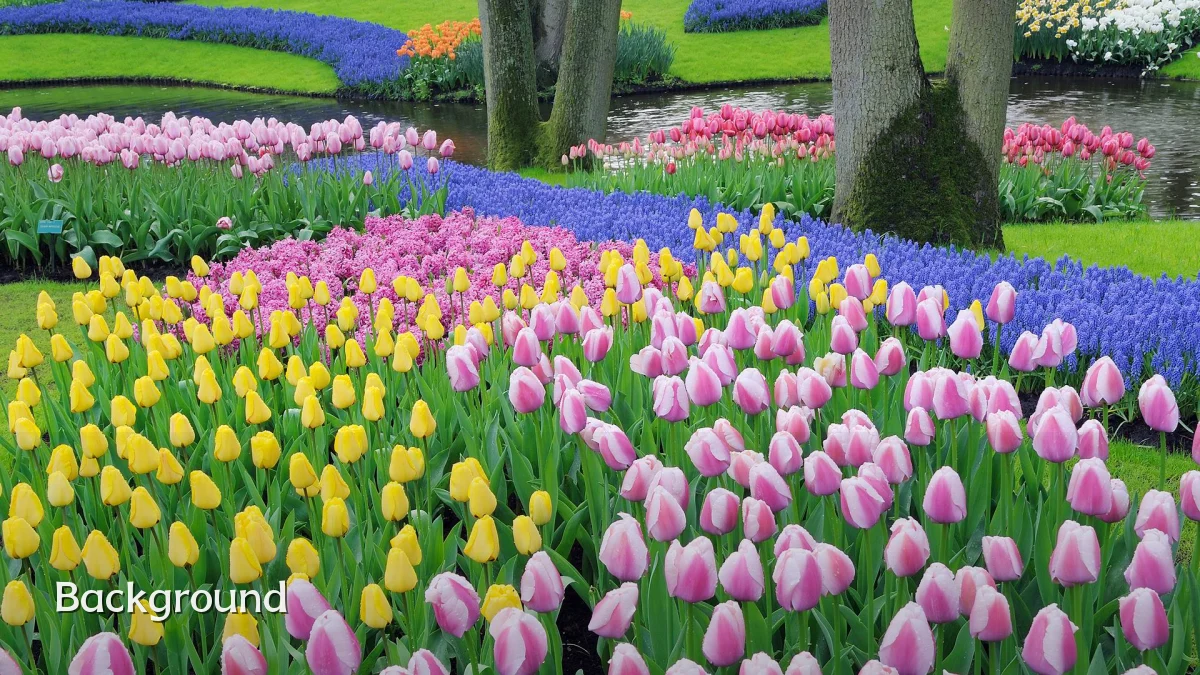
Research in horticultural therapy suggests that even small, accessible garden spaces can reduce stress and improve mood when designed with sensory and cognitive needs in mind. The shift toward sanctuary gardening aligns with broader retirement trends: staying in place longer, reducing financial outlays for travel, and seeking meaningful daily activities that don’t require significant physical strain.
User Concerns
Retirees considering a garden sanctuary often face practical and physical barriers. Common concerns include:
- Physical limitations — Bending, kneeling, or lifting heavy pots may be difficult. Raised beds, ergonomic tools, and vertical gardening are common workarounds.
- Maintenance burden — Some worry that a garden will require constant care. Selecting native, drought-tolerant perennials and minimal lawn areas can reduce workload.
- Initial cost — Setting up raised beds, paving paths, or installing a small water feature can involve upfront expense. Budget-friendly options include repurposed containers, seed swaps, and hand tools.
- Limited space or soil quality — Not all homes have ideal garden areas. Container gardening, window boxes, or renting a small community plot are alternatives.
- Lack of knowledge — Retirees new to gardening may worry about plant selection or pest management. Local extension offices, library gardening groups, and online forums provide free guidance.
Likely Impact
If more retirees adopt the sanctuary garden approach, several positive outcomes are plausible at the individual and community levels:
- Improved mental well-being — A dedicated quiet space reduces daily stress and provides a sense of accomplishment and control.
- Increased low-impact physical activity — Gentle gardening tasks like weeding, watering, and pruning support mobility and strength.
- Stronger neighborhood connections — Gardens can spark conversation with neighbors, especially when they include native plants, bird feeders, or walking paths visible from the street.
- Environmental benefits — Sanctuary gardens often incorporate pollinator plants, rain barrels, and organic practices that support local biodiversity.
- Reduced demand on public leisure spaces — Private gardens as sanctuaries may slightly ease pressure on parks and community gardens for retirees seeking quiet moments outdoors.
What to Watch Next
Looking ahead, several developments could shape how retirees plan and implement their garden sanctuaries:
- Adaptive tools and technology — Companies are developing lighter, ergonomic gardening tools, as well as apps that help with plant identification and watering schedules. Innovations in raised bed kits and self-watering containers may make gardening more accessible.
- Hybrid indoor-outdoor spaces — Retirees in colder climates are exploring sunrooms, heated greenhouses, and indoor plant walls that extend the sanctuary concept year-round.
- Community resource shifts — More community gardens and senior centers may offer raised-bed plots or gardening classes tailored to older adults seeking sanctuary-style designs.
- Landscaping services for seniors — Local small businesses might start offering “sanctuary installation” packages that focus on low-maintenance, sensory-friendly gardens for retirees.
- Policy interest in aging in place — If local governments recognize the mental health value of home gardens, they may consider grants or zoning flexibility for seniors to create accessible green spaces on residential lots.
Retirees considering this path are encouraged to start small, prioritize comfort and beauty over productivity, and consult resources that emphasize accessibility and relaxation. The goal is not a perfect garden, but a personal haven that supports rest and renewal.